
CBD vs. THC: What’s the Difference?
If you’re new to hemp products, you’ve probably seen the terms CBD and THC used frequently. While both come from the cannabis plant, they have very different effects on the body.
Understanding the difference between CBD and THC can help you make informed decisions and choose products that align with your wellness goals.
In this guide, we’ll explain what each compound is, how they work, whether they can make you feel “high,” and how to decide which option may be right for you.
What Is CBD?
CBD, or cannabidiol, is one of more than 100 naturally occurring compounds called cannabinoids found in hemp and cannabis plants.
Unlike THC, CBD is non-intoxicating, meaning it does not produce the euphoric “high” commonly associated with marijuana.
Many people choose CBD as part of their daily wellness routine because it offers a variety of product options, including:
- CBD gummies
- CBD tinctures
- Softgels
- Topical creams
- Roll-ons
- Bath products
Because CBD doesn’t produce intoxicating effects, many people incorporate it into their daily routines while maintaining their normal activities.
What Is THC?
THC, or tetrahydrocannabinol, is the primary psychoactive compound found in cannabis.
It interacts with receptors in the brain responsible for mood, perception, and coordination, producing the “high” that marijuana is known for.
Depending on the product and local laws, THC may be found in varying amounts in cannabis products. Hemp-derived CBD products sold in the United States must comply with federal regulations regarding THC content.
CBD vs. THC at a Glance
| CBD | THC |
|---|---|
| Non-intoxicating | Psychoactive |
| Found in hemp and cannabis | Found primarily in cannabis |
| Does not produce a “high” | Produces a “high” |
| Commonly available in wellness products | Subject to additional legal restrictions |
| Widely used in oils, gummies, creams, and capsules | Availability depends on state laws |
Will CBD Make You High?
This is one of the most common questions people ask.
The short answer is no.
CBD itself does not produce intoxicating effects.
However, it’s important to understand that some hemp products contain trace amounts of THC, as allowed under federal law. While these levels are very low, customers should always read product labels and understand what they’re purchasing.
If avoiding THC is important to you, consider products labeled as CBD isolate or THC-free, while keeping in mind that manufacturing processes and labeling can vary.
How CBD and THC Work
Both CBD and THC interact with the body’s endocannabinoid system (ECS), a network involved in maintaining balance across many normal bodily functions.
The difference lies in how they interact with the system.
THC binds more directly with certain cannabinoid receptors, leading to intoxicating effects.
CBD interacts differently and does not bind to these receptors in the same way, which is why it does not create the same psychoactive experience.
Researchers continue to study the endocannabinoid system and cannabinoids to better understand their roles.
Is CBD Legal?
Under the 2018 Farm Bill, hemp-derived CBD products containing no more than 0.3% Delta-9 THC by dry weight became federally legal in the United States.
However, individual state laws may differ, and certain products may have additional restrictions depending on where you live.
Before purchasing any hemp product, it’s always a good idea to review your state’s regulations.
Choosing the Right Product
When shopping for CBD, look for products that provide transparency and quality information.
Consider choosing products that offer:
- Third-party laboratory testing
- Clearly labeled ingredients
- Manufacturer information
- Certificates of Analysis (COAs)
- Hemp sourced from reputable growers
Taking a few extra minutes to review these details can help you make a more informed purchase.
Frequently Asked Questions
Is CBD the same thing as marijuana?
No. CBD is a cannabinoid that can be extracted from hemp or cannabis plants. Hemp-derived CBD products contain very low levels of THC and do not produce the same intoxicating effects as marijuana.
Can CBD products contain THC?
Some hemp-derived CBD products contain trace amounts of THC within federally permitted limits. Others are made using CBD isolate and are formulated without THC. Always review product labels and lab reports before purchasing.
Will CBD show up on a drug test?
Some drug tests screen for THC rather than CBD. Because certain CBD products may contain trace amounts of THC, there is a possibility of a positive result depending on the product used and the sensitivity of the test. If drug testing is a concern, speak with your employer or testing provider and review product information carefully.
Which is better, CBD or THC?
Neither is universally “better.” They serve different purposes and have different legal considerations. The right choice depends on your personal preferences, goals, and applicable laws.
Final Thoughts
Although CBD and THC both come from the cannabis plant, they are very different compounds.
CBD is a non-intoxicating cannabinoid commonly found in hemp-derived wellness products, while THC is responsible for the psychoactive effects associated with marijuana.
Understanding these differences can help you shop with confidence and choose products that fit your needs.
Whether you’re exploring CBD for the first time or expanding your knowledge, taking the time to learn about cannabinoids is an important first step.
Featured products
-

CBD Chocolate Bar 200 mg
Starting at $7.50 -
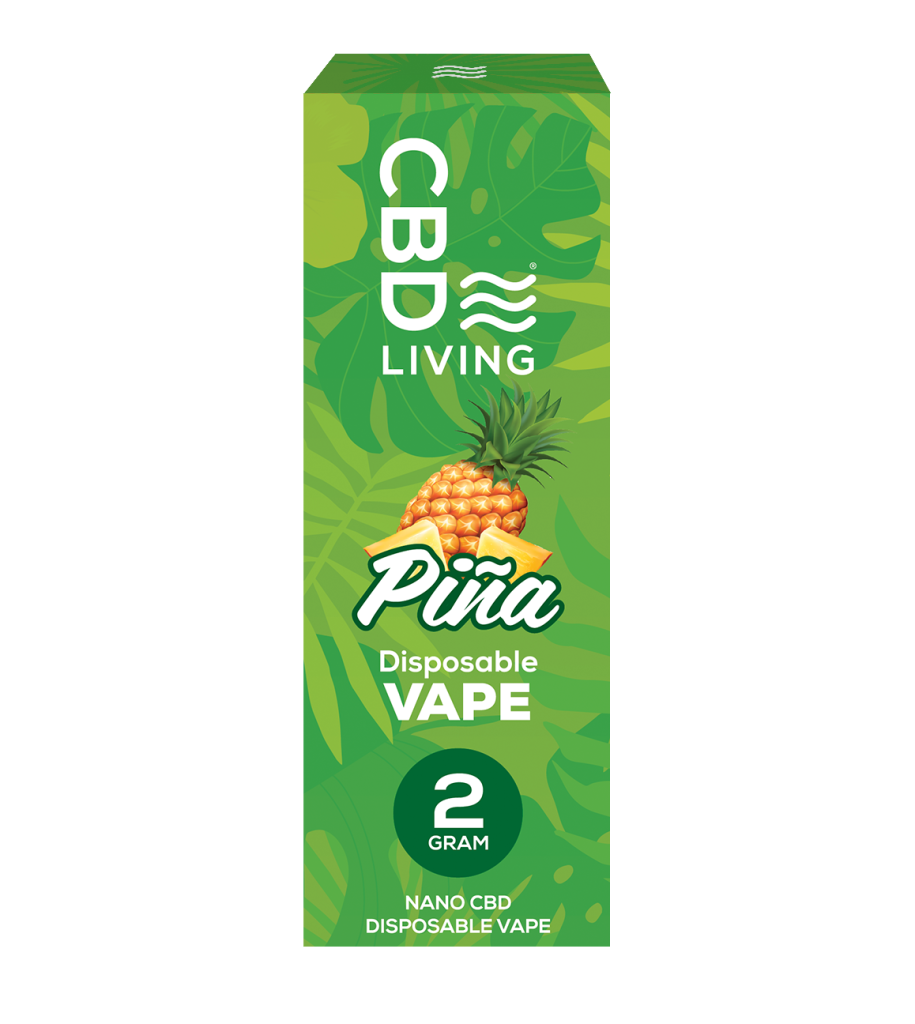
CBD Disposable Vape 2 Gram
Starting at $50.00 -
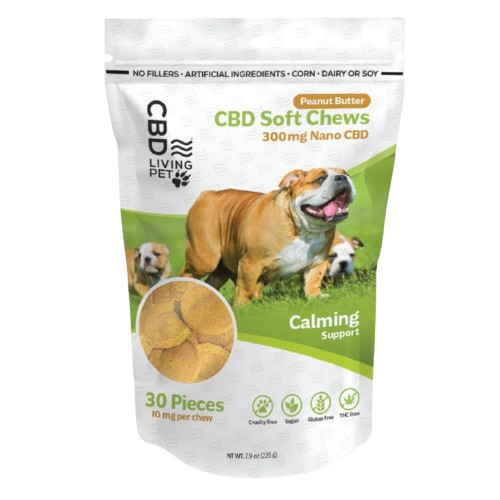
CBD Dog Chews
Starting at $30.00 -
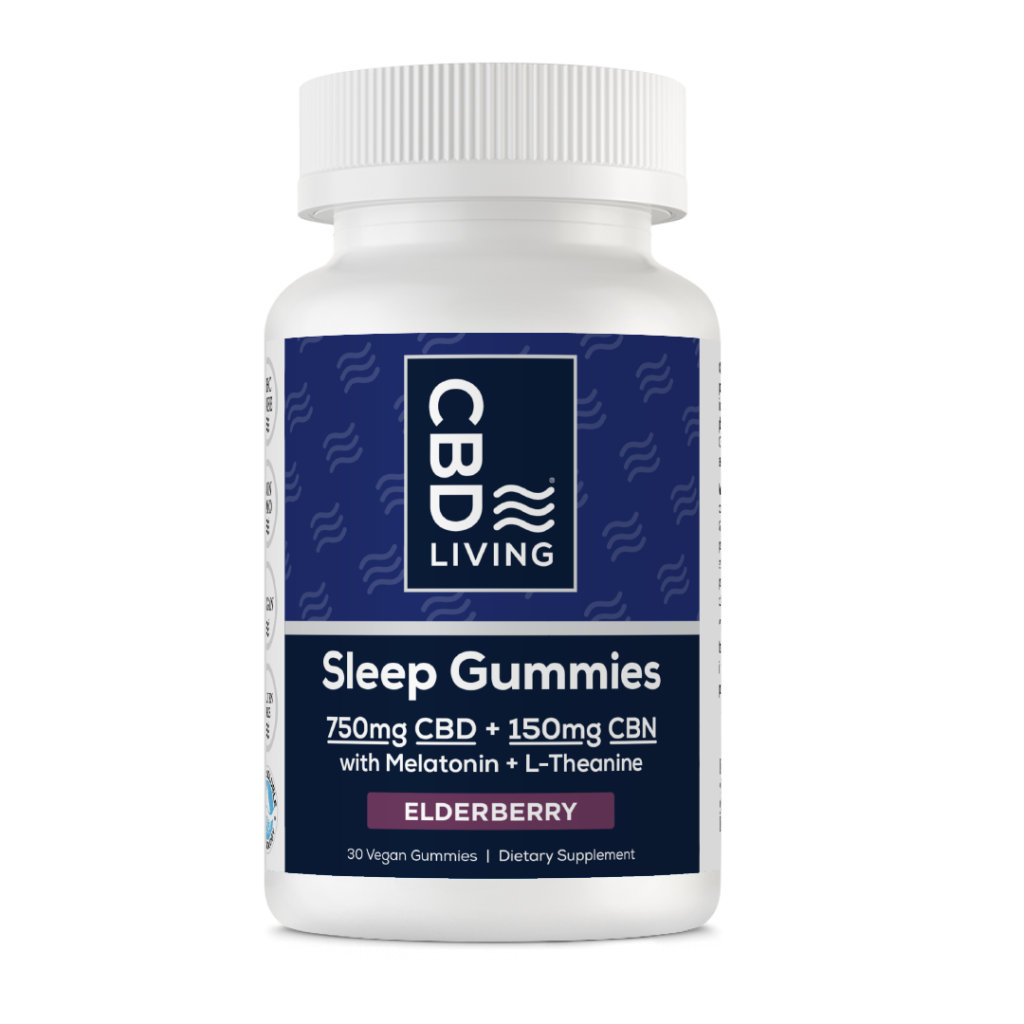
CBD Gummies Sleep – Elderberry
Starting at $50.00 -
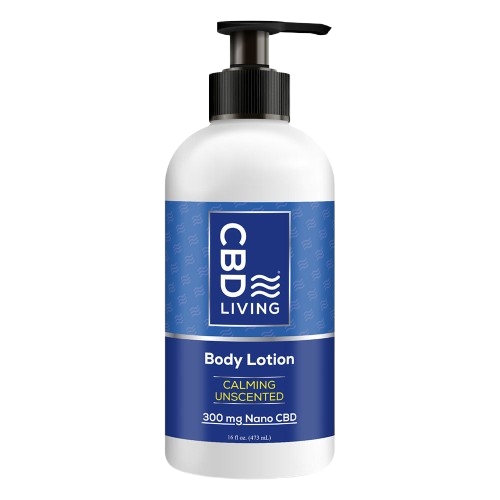
CBD Lotion – Unscented
Starting at $30.00
